 فارسی
فارسی






What Is a Brick Kiln and How Can the Right Choice Transform Your Production?
When discussing high-quality brick manufacturing, many assume that raw material quality or molding precision plays the most critical role. While those factors are important, the true turning point in determining strength, durability, color consistency, and commercial value lies in the firing stage. This leads to a fundamental question: what is a brick kiln, and why can selecting the right one dramatically transform your production output?
A brick kiln is the core of the brick production line. It is the engineered thermal system where dried green bricks undergo controlled high-temperature treatment, allowing chemical and physical transformations that permanently harden the clay structure. Without precise thermal control, airflow management, and energy efficiency, the final product may suffer from cracks, color inconsistencies, structural weakness, and high rejection rates. In this in-depth guide, we will thoroughly examine what a brick kiln is, explore its main types, compare technical characteristics, and explain how the right kiln selection can elevate efficiency, product quality, and long-term profitability.
What Is a Brick Kiln and How Does It Work?
To properly answer the question, what is a brick kiln, we must understand the firing process itself. After the drying phase, bricks enter the kiln where they are exposed to temperatures typically ranging between 800°C and 1100°C. During this phase, complex reactions occur: chemically bound water is eliminated, mineral components fuse, and vitrification strengthens the structure.
The firing cycle usually consists of three essential stages: gradual preheating, peak firing, and controlled cooling. Each phase must be carefully regulated. If temperature rises too quickly, thermal shock may create internal fractures. If cooling is rushed, stress builds within the brick body, leading to invisible weaknesses that later compromise durability.
Therefore, a brick kiln is not merely a heated chamber; it is a precisely controlled thermal engineering system designed to ensure uniform heat distribution, energy efficiency, and structural integrity of the final product.
Main Types of Brick Kilns Used in Industry
Modern brick manufacturing relies on several kiln designs, each suited to specific production scales and operational goals:
Tunnel Kiln
Hoffmann Kiln
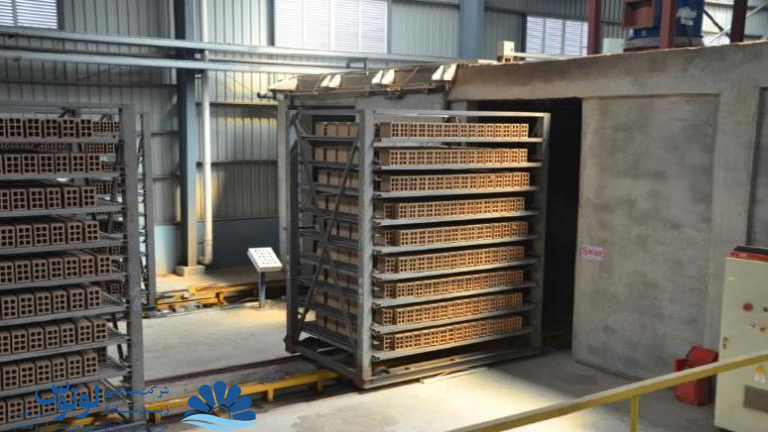
Shuttle Kiln
Traditional Clamp or Intermittent Kiln
Each system differs in terms of production capacity, fuel consumption, automation level, firing consistency, and investment requirements.
Tunnel Kiln: The Industrial Benchmark
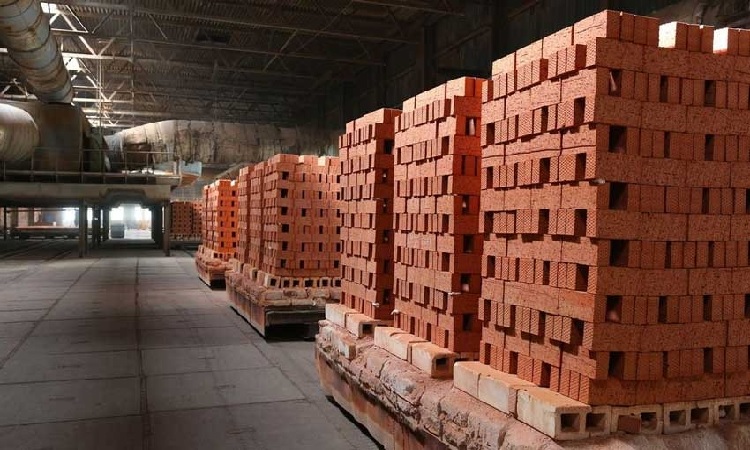
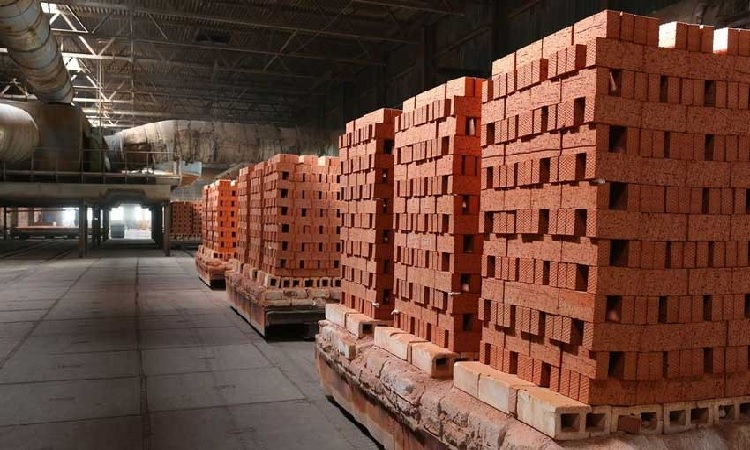
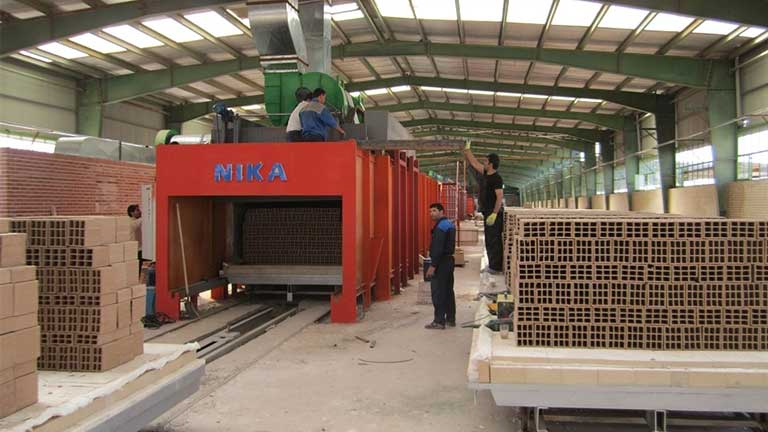
Among all kiln technologies, the tunnel kiln represents the most advanced and widely adopted solution in large-scale industrial production. In this system, bricks are placed on rail-mounted cars that move continuously through a long insulated tunnel divided into heating, firing, and cooling zones.
The primary advantage of tunnel kilns lies in their continuous operation and highly controlled temperature gradients. This ensures consistent product color, uniform strength, and minimal waste. Additionally, waste heat from the cooling zone can often be redirected to the preheating zone, significantly improving energy efficiency.
Factories that transition from older systems to tunnel kilns frequently report measurable improvements. For example, one medium-sized facility reduced fuel consumption by nearly 25% while doubling its daily output after upgrading to a tunnel system. Though the initial capital investment is higher, long-term operational savings and increased productivity often justify the cost.
Hoffmann Kiln: A Transitional Industrial Model
The Hoffmann kiln represents a semi-continuous design that has been widely used for decades. It consists of multiple interconnected chambers where the fire gradually moves from one section to another. While more efficient than traditional clamp kilns, it does not provide the same level of temperature precision and energy recovery as modern tunnel systems.
Hoffmann kilns remain viable for mid-scale operations but may struggle to meet the strict quality consistency demanded by high-end architectural brick markets.
Technical Comparison of Brick Kiln Types
Tunnel Kiln
Production Capacity: Very High
Energy Consumption: Optimized
Firing Uniformity: Excellent
Investment Cost: High
Ideal For: Large industrial factories
Hoffmann Kiln
Production Capacity: High
Energy Consumption: Moderate
Firing Uniformity: Good
Investment Cost: Medium
Ideal For: Semi-industrial facilities
Shuttle Kiln
Production Capacity: Medium
Energy Consumption: Moderate to High
Firing Uniformity: Very Precise
Investment Cost: High
Ideal For: Specialty and facing bricks
Traditional Kiln
Production Capacity: Low
Energy Consumption: High
Firing Uniformity: Inconsistent
Investment Cost: Low
Ideal For: Small-scale or temporary production
How the Right Kiln Choice Transforms Production
Selecting the correct kiln is not simply a technical decision; it is a strategic investment. A properly designed firing system directly influences rejection rates, fuel efficiency, structural strength, and product uniformity.
Consider the example of facing bricks, where consistent coloration is critical for architectural aesthetics. Using a kiln with precise temperature control ensures that every batch maintains identical tones. In contrast, outdated systems may produce visible variations between production cycles, negatively affecting brand reputation.
Furthermore, modern kilns equipped with digital monitoring systems allow real-time temperature tracking, automated fuel regulation, and data-based process optimization. This reduces human error and enhances operational stability.
Buying Guide and Pricing Considerations
When evaluating kiln investment options, several technical and financial variables must be analyzed. The cost of a brick kiln depends on tunnel length or chamber size, burner technology, refractory insulation quality, automation systems, fuel type compatibility, and waste heat recovery integration.
Tunnel kilns typically require higher upfront investment due to their structural complexity and automation components. However, they often provide faster return on investment (ROI) through reduced fuel usage, lower maintenance frequency, and increased throughput.
Before purchasing, it is advisable to conduct a comprehensive ROI analysis that includes projected production growth, regional fuel costs, labor efficiency, and maintenance forecasting. A kiln is a long-term infrastructure decision; therefore, planning for scalability and technological upgrades is essential.
Critical Technical Considerations Before Installation
Temperature uniformity across the firing zone is fundamental. Burner positioning, airflow engineering, and refractory brick quality inside the kiln determine thermal stability. Poor insulation leads to heat loss and fuel waste, while uneven airflow can create hot spots and cold zones.
Advanced digital control panels provide better regulation and allow predictive maintenance scheduling, reducing unexpected downtime. Investing in monitoring technology significantly enhances production reliability.
Conclusion
Understanding what a brick kiln is reveals its central role in brick manufacturing. It is not merely a furnace; it is the backbone of quality assurance, energy efficiency, and production scalability. Choosing the right kiln system can reduce waste, improve structural strength, stabilize color consistency, and maximize long-term profitability.
Factories aiming for sustainable growth and competitive advantage must treat kiln selection as a strategic engineering decision rather than a simple equipment purchase. The right choice today lays the foundation for operational excellence tomorrow.
Frequently Asked Questions (FAQ)
1. What is a brick kiln and why is it important?
A brick kiln is a controlled high-temperature system that converts dried clay bricks into hardened structural materials. It determines final strength, durability, and quality consistency.
2. Which kiln type is best for large-scale production?
Tunnel kilns are generally the most efficient and reliable option for high-capacity industrial production.
3. How is brick kiln pricing determined?
Pricing depends on capacity, automation level, refractory insulation quality, burner technology, and energy recovery systems. A technical evaluation is required for accurate cost estimation.
شرکت برنا گستر پارسی - سازنده ماشین آلات تولید آجر
What is a brick kiln and how can choosing the right one transform your production?

×
![]()
What is a brick kiln and how can choosing the right one transform your production?
Brick baking
7 months ago